
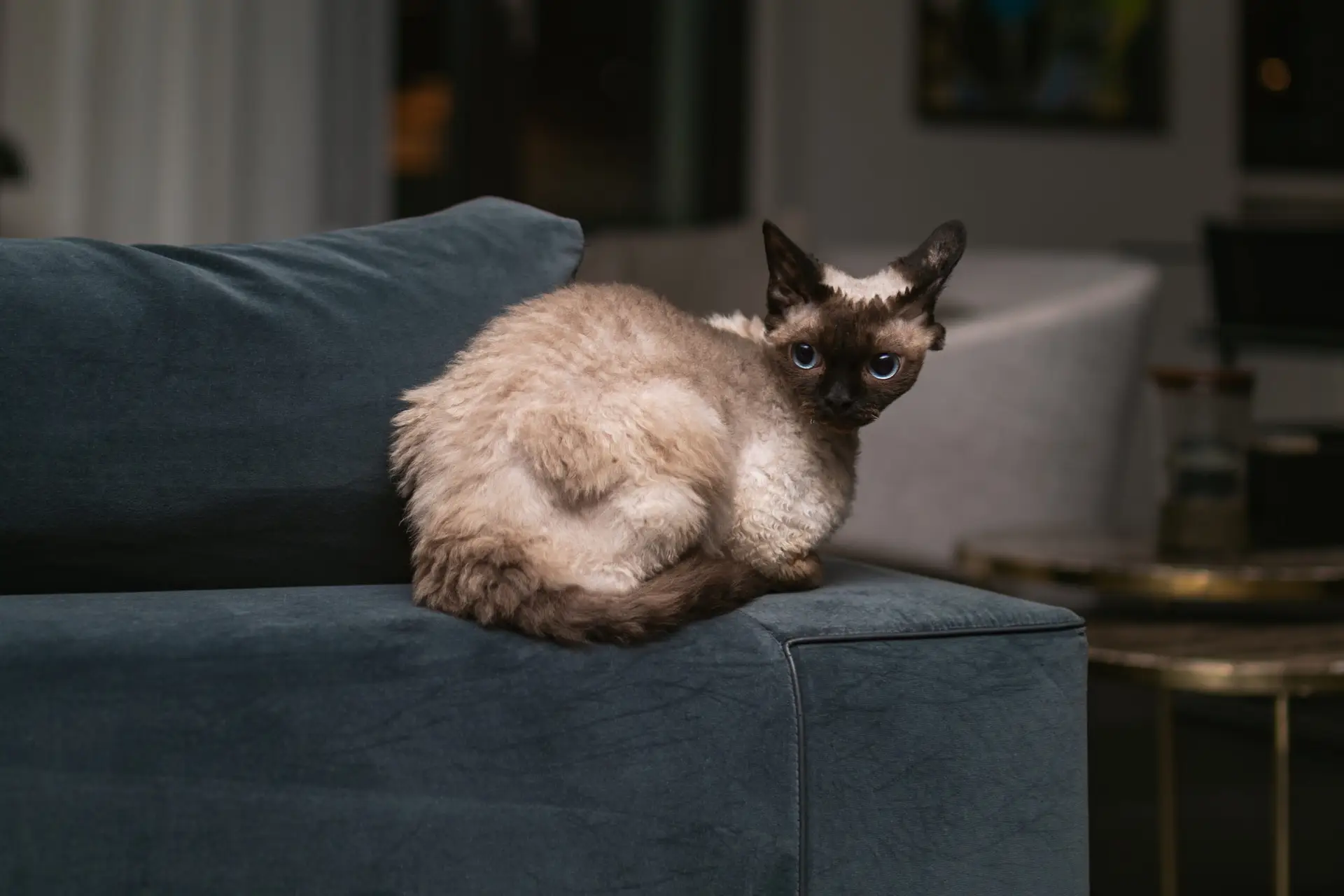
For pet owners, keeping furniture looking neat can feel like an endless chore. Pet hair is notoriously stubborn, weaving itself deep into fabric fibers and resisting conventional vacuuming. The secret to winning the battle is understanding why the hair clings so tightly and using specialized tools that leverage friction and static electricity to release it efficiently.
Why Pet Hair Clings to Furniture
Pet hair doesn’t just fall onto furniture; it becomes deeply embedded due to a combination of physics and fabric structure.
Static Electricity and Fabric Texture
The friction generated between fabric (especially synthetic materials like microfiber, nylon, and polyester) and the pet’s coat creates static electricity. This static acts like glue, magnetically attracting and holding the lightweight hair strands to the upholstery.
Additionally, certain textures are worse than others:
- Woven and Looped Fabrics: Upholstery with a slightly fuzzy or looped texture (like velvet, chenille, or loosely woven rugs) creates microscopic anchors where the tiny barbs of pet hair fibers hook into the fabric, making them hard to vacuum out.
- Slick Fabrics: While hair doesn’t embed in materials like leather or vinyl, static can cause it to coat the surface thickly, requiring a different removal technique (usually wiping, not friction).
Shedding Patterns by Pet Type
Understanding a pet’s shedding pattern can help you time your cleaning efforts:
- Double-Coated Breeds (e.g., German Shepherds, Huskies): These pets have two major “blowouts” per year (spring and fall) where they shed their undercoat in massive quantities. Cleaning must be intensified during these seasonal changes.
- Single-Coated Breeds (e.g., Poodles, Greyhounds): These breeds shed less dramatically but often shed hair constantly throughout the year, requiring a consistent daily maintenance routine.
- Cats: Feline hair is usually finer and lighter than dog hair, making static cling even more pronounced. They also often shed less dramatically but continuously.
Best Tools for Removing Pet Hair
The most effective tools create friction to pull the hair out of the fabric matrix or use specialized suction for removal.
Rubber Gloves or Squeegees for Fabric
This is one of the cheapest and most effective solutions for embedded hair on woven couches. Rubber, due to its high friction coefficient, grabs hair that vacuums miss.
- Rubber Gloves: Dampen a clean pair of rubber dishwashing gloves slightly. Rub your gloved hand across the couch surface using short, deliberate strokes. The friction and the slight dampness will roll the hair into large, easily picked-up clumps.
- Window Squeegees: A clean, dry rubber window squeegee can be dragged across the fabric. The rubber blade acts similarly to the glove, creating a concentrated band of friction that pulls the hair out of the fibers and gathers it into a neat pile.
Lint Rollers and Vacuum Attachments
These are necessary for quick touch-ups and deep cleaning the cushions.
- Heavy-Duty Lint Rollers: Ideal for quick touch-ups before company or for delicate fabrics. While effective, they generate a lot of waste and are not suitable for removing deep, embedded hair across large areas.
- Motorized Pet Hair Vacuum Attachments: When vacuuming, avoid the large floor head, which often just blows hair around. Use a specialized motorized upholstery tool or mini turbo brush. These attachments have small, rotating brush bars that physically beat the hair out of the fabric before the suction removes it. This provides the deepest clean.
DIY Hair Removal Tricks
Sometimes, the best solution is already in your cabinet or pantry. These tricks focus on neutralizing static and leveraging simple materials.
Damp Microfiber Cloth Method
A slightly damp cloth is effective because water is a natural conductor that temporarily grounds the static charge holding the hair to the fabric.
- Preparation: Lightly dampen a clean microfiber cloth with plain water—it should be moist, not soaking wet.
- Technique: Wipe the fabric surface in a single direction. The hair will adhere to the cloth as you wipe.
- Rinsing: Rinse the cloth frequently to remove accumulated hair and repeat until the surface is clean. This method is safe for virtually all upholstery fabrics, but always test on a small, hidden spot first.
Anti-Static Spray to Reduce Buildup
Since static electricity is the primary culprit for clinging hair, neutralizing the static makes the hair fall off naturally, making it much easier to vacuum.
- Commercial Sprays: Use commercial anti-static sprays designed for clothing or fabric.
- DIY Spray: Create a highly diluted fabric softener solution (about $1$ part liquid fabric softener to $10$ parts water). Lightly mist the couch from a distance. Crucially, allow the mist to dry completely before sitting down or vacuuming. Always test this solution on an inconspicuous spot for colorfastness.
Preventing Future Hair Accumulation
The best way to manage pet hair is to intercept it before it reaches your furniture.
Wash Pet Bedding Weekly
A pet bed is the primary reservoir for shed hair. When a pet moves from its bed to the couch, it transfers a massive amount of loose hair.
- Frequency: Wash all pet blankets, beds, and pillow covers weekly.
- Pre-Wash Prep: Before putting pet bedding into the washer, run it through a $\text{10-minute}$ cycle in the dryer (with no heat) to loosen and collect the bulk of the hair in the lint trap. This prevents the hair from clogging your washing machine drain.
Brush Pets Regularly and Use Slipcovers
Grooming and strategic fabric choices are crucial barriers against hair accumulation.
- Daily Brushing: Use a de-shedding tool (like a rake or specialized brush) daily, especially during peak shedding seasons. Brushing captures the hair before it has a chance to drop onto your furniture. Brush pets outside or in an area easy to vacuum.
- Using Slipcovers: Invest in removable, washable slipcovers for your primary seating areas. Choose fabrics that repel hair, such as densely woven materials, microfiber, or even certain performance outdoor fabrics. When the cover gets hairy, simply toss it in the wash.
FAQs
What’s the best vacuum for pet hair?
The best vacuums for pet hair have strong, consistent suction and a motorized tool. Look for:
- Motorized Brush Heads: A mini-motorized brush attachment (often called a pet tool or turbo tool) that rotates quickly to physically agitate and lift embedded hair out of upholstery.
- HEPA Filtration: Important for trapping pet dander and allergens, not just the hair itself.
- Multi-Cyclonic Technology: Helps maintain constant suction even as the canister fills up, which is essential when vacuuming large quantities of fine pet hair.
Can I use fabric softener spray on couches?
Yes, but only in a highly diluted form and always test for colorfastness first.
Fabric softener’s main function is to reduce static electricity and soften fibers, making it effective for loosening hair’s grip on the couch. However, liquid softener is chemically complex. A direct or concentrated spray can leave visible, greasy spots or residue on upholstery that is difficult to remove. Use the highly diluted DIY spray method described above, and ensure it is fully dried and tested before use.
Tired of battling hair on your favorite sofa? Getting rid of embedded pet hair takes specialized tools and elbow grease.
Contact Tammy’s Crew Cleaning today! Our upholstery experts use industrial-grade, non-damaging methods to ensure your furniture is thoroughly de-haired, refreshed, and ready for you and your furry friends.