
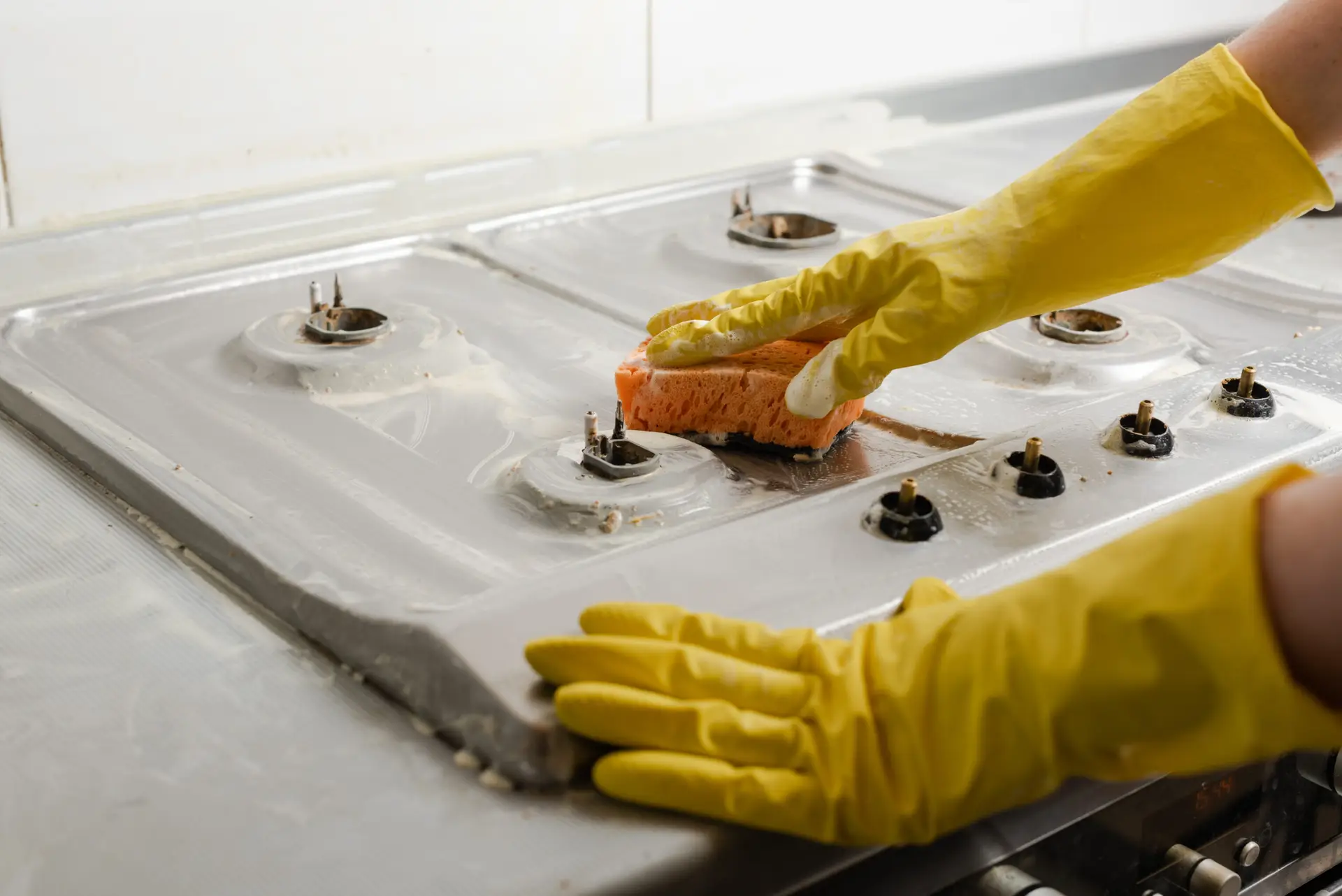
Stainless steel is a cornerstone of any commercial kitchen due to its durability, hygiene, and sleek appearance. However, it’s also notorious for showing every fingerprint, smudge, and water spot. Proper cleaning is not just about making it look good; it’s essential for maintaining its integrity and sanitation.
At Tammy’s Crew Cleaning, we understand the demands of a professional kitchen. Here’s our expert guide on how to clean stainless steel to keep it pristine and prevent long-term damage.
Why Stainless Steel Needs Special Care
Stainless steel is an alloy, primarily of steel and chromium, which creates a protective layer that resists rust and corrosion. However, this layer can be compromised by certain substances or improper cleaning techniques.
Fingerprints, Grease, and Smudges
High-traffic kitchen environments mean constant contact with hands, leading to fingerprints and smudges. Cooking generates a lot of airborne grease, which can cling to all surfaces, including your stainless steel appliances, creating a sticky film that attracts more dirt.
Risk of Corrosion
While it’s “stainless,” it’s not invincible. Harsh chemicals, abrasive scrubbers, or prolonged exposure to certain acids can break down the chromium layer, leaving the steel vulnerable to pitting and rust.
Best Cleaners for Stainless Steel
Choosing the right cleaner is the first step to a flawless finish.
Commercial-Grade Sprays
For heavy-duty cleaning and polishing, a commercial-grade stainless steel cleaner and polish is your best bet. These products are specifically formulated to cut through grease and smudges while leaving behind a protective, streak-free shine. They are often a two-in-one solution that cleans and polishes simultaneously.
DIY Vinegar and Water Solution
For daily cleaning and light messes, a simple DIY solution is highly effective. Mix equal parts white vinegar and water in a spray bottle. Vinegar is a mild acid that can break down grime and mineral deposits without harming the steel.
Step-by-Step Cleaning Process
Follow these steps for a clean, professional shine.
1. Wipe with Microfiber Cloth
First, spray your chosen cleaner or the vinegar solution directly onto a clean microfiber cloth, not onto the stainless steel surface itself. This prevents streaks and over-saturation. Wipe down the entire surface to remove all visible dirt, grease, and smudges.
2. Polish with Stainless Steel Oil
After cleaning, you can apply a small amount of stainless steel polish or even a few drops of mineral oil onto a second clean, dry microfiber cloth. This step is crucial for leaving a brilliant, streak-free shine and helps to repel future fingerprints.
- Important: Always wipe and polish in the direction of the grain. Stainless steel has a faint “grain” that runs either horizontally or vertically. Going against the grain can leave tiny scratches and streaks.
Preventing Damage
Proper technique is just as important as the right product.
Avoiding Abrasive Pads
Never use steel wool, scouring pads, or other abrasive materials on stainless steel. They will scratch the surface and permanently damage the finish. Stick to soft cloths, sponges, and microfiber pads.
Cleaning Along the Grain
As mentioned above, always wipe and polish with the grain. You can usually see the faint lines in the steel, which will guide your wiping direction. This simple practice prevents micro-scratches and ensures a uniform, polished look.
FAQs
Can bleach damage stainless steel?
Yes, bleach can damage stainless steel. Bleach (sodium hypochlorite) and other chlorine-based cleaners are highly corrosive to the chromium oxide layer. They can cause pitting, discoloration, and rust, permanently ruining the surface. It is best to avoid using them on stainless steel.
What polish lasts the longest?
Commercial-grade stainless steel polishes are formulated to last longer and provide a stronger protective barrier against fingerprints and smudges. While mineral oil is a good, cheap alternative, a dedicated polish will generally provide a more durable and longer-lasting shine.
A clean, gleaming commercial kitchen is a point of pride and a mark of professionalism. By following these steps, you can ensure your stainless steel surfaces are both sanitary and visually impressive. For all your professional cleaning needs, Tammy’s Crew Cleaning is ready to help.
Request a Free Estimate for Commercial Kitchen Cleaning Services!