
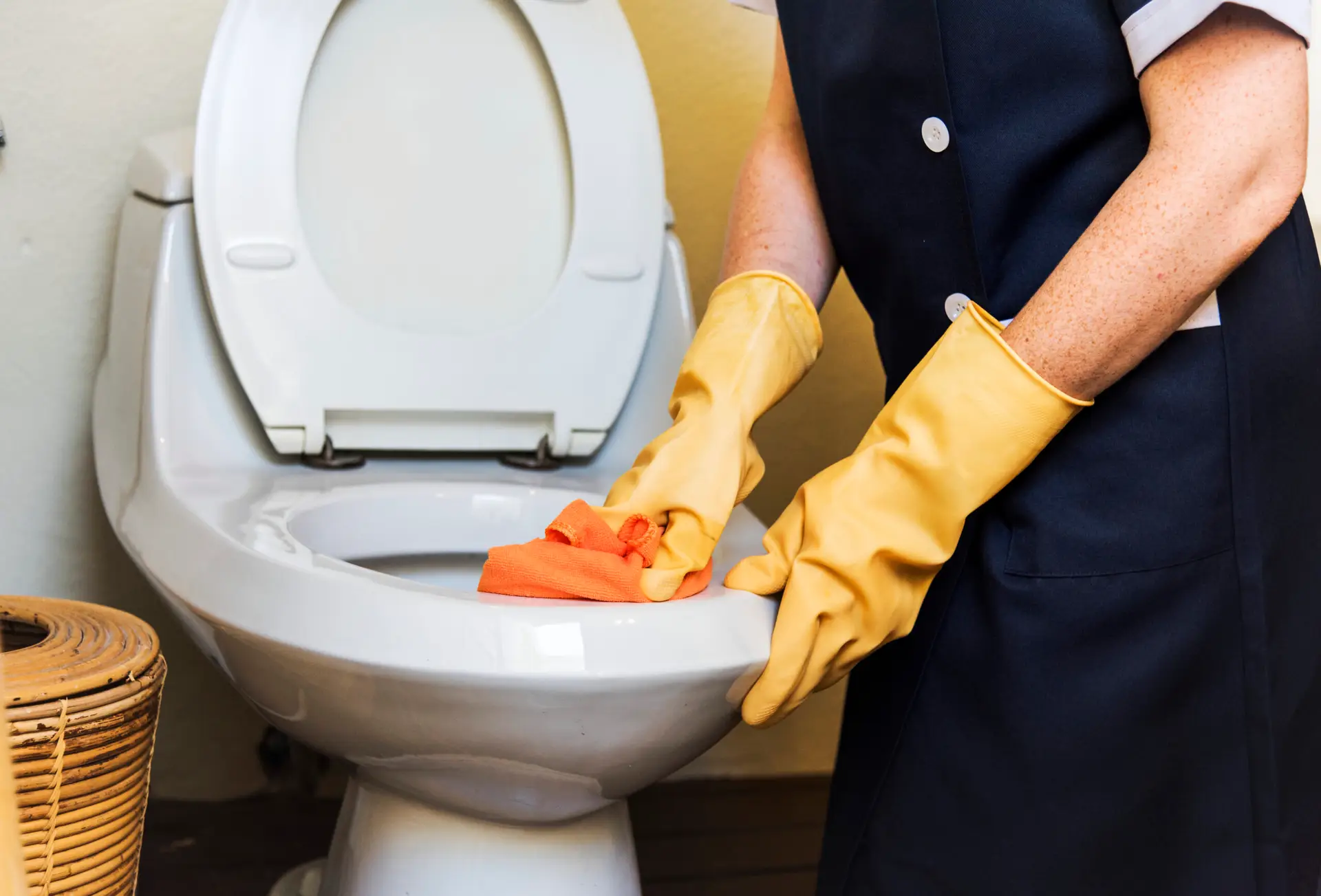
A bathroom is a high-traffic area that can quickly become a breeding ground for germs and bacteria. While daily cleaning keeps it tidy, sanitizing is the key to a truly clean and healthy space. Sanitizing goes a step beyond simple cleaning by reducing the number of microorganisms to a safe level.
At Tammy’s Crew Cleaning, we know that a clean bathroom is a sanitized bathroom. Here is our expert guide on how to effectively sanitize your bathroom to protect your family’s health.
Why Bathroom Sanitizing Is Important
Germs and Bacteria Hotspots
Bathrooms contain numerous surfaces that are frequently touched, making them ideal places for germs to thrive. The toilet handle, faucet, light switches, and doorknobs are all prime locations for bacteria and viruses. Regular sanitizing helps to eliminate these microorganisms and prevents them from spreading.
Difference Between Cleaning and Sanitizing
It’s important to understand the difference between cleaning and sanitizing. Cleaning removes visible dirt, debris, and grime from a surface. Sanitizing, on the other hand, reduces the number of microorganisms on a surface to a safe level, according to public health standards. For a truly healthy environment, you need to do both.
Supplies You’ll Need
To properly sanitize your bathroom, you will need the right tools and products.
Disinfectant Sprays
Choose a disinfectant spray that is effective against a broad range of germs and is safe for bathroom surfaces. Always read the label to ensure it is suitable for your specific needs. Products containing bleach, hydrogen peroxide, or quaternary ammonium compounds are common choices.
Microfiber Cloths and Gloves
Microfiber cloths are excellent for cleaning and sanitizing because they trap dirt and germs more effectively than traditional cloths. Wear gloves to protect your hands from chemicals and to avoid spreading germs to other surfaces.
Step-by-Step Sanitizing Checklist
Follow this checklist to ensure every high-touch surface in your bathroom is sanitized.
Sink and Faucet Areas
The sink and faucet are frequently touched and can harbor a lot of germs.
- Clean: First, wipe down the sink and faucet with an all-purpose cleaner to remove soap scum and toothpaste residue.
- Sanitize: Spray a disinfectant onto the faucet handles, the top of the sink, and the countertop. Allow the disinfectant to sit for the recommended contact time (usually 3-5 minutes) as specified on the product label. This is crucial for killing germs. Then, wipe the surfaces clean.
Toilet Bowl, Seat, and Tank
The toilet is a key area for sanitizing.
- Bowl: Use a toilet bowl cleaner and a toilet brush to scrub the inside of the bowl.
- Seat and Exterior: Spray the toilet seat (both sides), the tank, the flush handle, and the outside of the bowl with a disinfectant. Let it sit for the required contact time before wiping it down with a clean microfiber cloth.
Shower Walls and Tub
While not as high-touch as other areas, the shower and tub can collect mold, mildew, and bacteria.
- Clean: Use a bathroom cleaner to scrub away soap scum and grime from the shower walls and tub.
- Sanitize: Once the surfaces are clean, spray them with a disinfectant. Pay close attention to grout lines and corners. Let it sit, then rinse thoroughly.
Light Switches and Handles
These are often overlooked but are among the most touched surfaces in the bathroom.
- Sanitize: Lightly spray your disinfectant onto a microfiber cloth (not directly onto the switch) and wipe down all light switches, doorknobs, cabinet handles, and towel racks.
Maintenance Tips
Daily Wipe-Downs
A quick daily wipe-down of the sink and toilet seat with a disinfecting wipe or cloth can go a long way in preventing germ buildup between deeper sanitizing sessions.
Weekly Deep Sanitizing
For a thorough, healthy bathroom, a weekly deep sanitizing session is recommended. This routine ensures that all surfaces, including those you don’t touch daily, remain free of harmful bacteria.
FAQs
What’s the best bathroom disinfectant?
The best disinfectant is one that is EPA-approved and labeled as effective against common household germs. Bleach-based products are highly effective, but there are also many excellent non-bleach options available. Always check the product’s label to ensure it meets your sanitizing needs.
How often should bathrooms be sanitized?
While a quick daily wipe is good practice, a full bathroom sanitizing should be done at least once a week. This frequency can be increased based on the number of people using the bathroom or if someone in the household is sick.
Sanitizing is the final step to a truly clean home. By incorporating these practices, you can create a safer and healthier environment for your family. If you need a professional team to handle the job, Tammy’s Crew Cleaning is ready to help.
Request a Free Quote for Home Sanitizing!